Slip and Fall Attorney
How premises liability claims work when a property owner’s negligence caused your fall
How premises liability claims work when a property owner’s negligence caused your fall
Slip and fall accidents happen to thousands of people every year at grocery stores, shopping malls, restaurants, apartment buildings, and businesses. While many people think of slip and fall accidents as minor, they often result in serious injuries including broken bones, head injuries, and spinal cord damage. Older adults are particularly vulnerable to severe complications from falls.
Property owners have a legal duty to maintain reasonably safe conditions for visitors. When they fail to address hazards, clean up spills promptly, repair broken flooring, or provide adequate lighting and warning signs, they can be held liable for injuries their negligence causes.
Property owners may be liable if their negligence creates dangerous conditions:
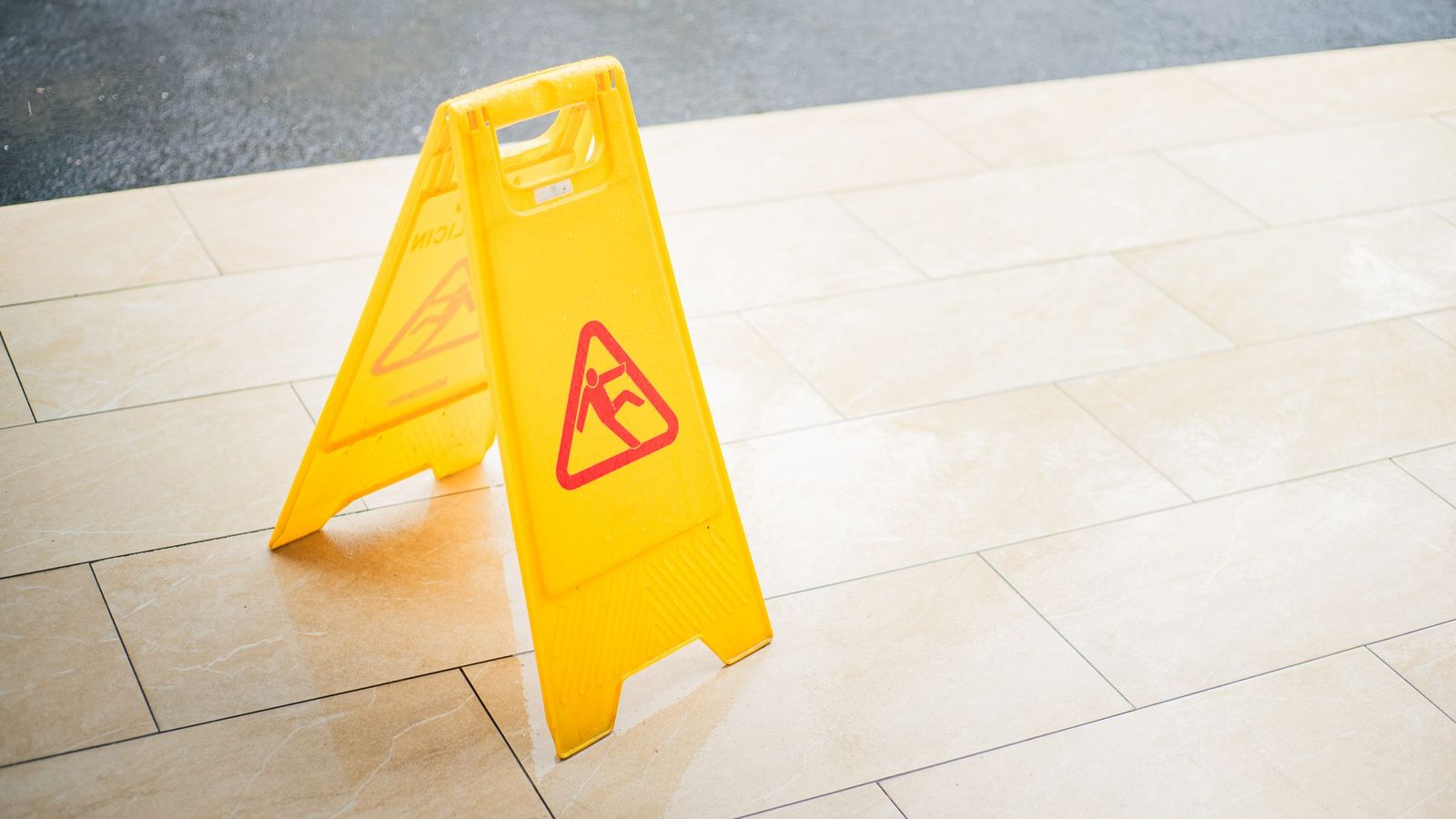
Water, spilled liquids, or recently mopped floors without warning signs create slip hazards. Property owners should clean spills immediately or cordon off the area.
Cracked or buckled pavement, raised threshold edges, uneven tiles, and broken concrete can cause serious falls, especially in lower-light areas.
Inadequate lighting in stairwells, parking lots, hallways, and entryways makes it difficult to see hazards, causing people to stumble and fall.
Missing, broken, or loose handrails; uneven step heights; and missing edge markings increase the risk of falls on stairs.
Property owners in cold climates must maintain clear walkways and parking areas. Failure to salt, sand, or shovel snow is negligence.
Items, debris, merchandise, or furniture blocking walkways create trip hazards. Property owners must maintain clear pathways.
Torn carpet, loose mats, and damaged flooring can catch feet and cause falls. These conditions must be repaired or replaced.
General lack of maintenance that creates hazardous conditions, such as deteriorating concrete, rust, or weakened structures.
Slip and fall injuries can be surprisingly severe and long-lasting:
To win a premises liability claim, we must prove:
The defendant must have been the owner or responsible party for maintaining the property.
A hazardous condition was present (wet floor, cracked pavement, etc.) that posed an unreasonable risk of injury.
The property owner either knew about the hazard or should have discovered it through reasonable inspection.
The owner did not repair the hazard, warn visitors, or take steps to prevent injury in a reasonable timeframe.
The dangerous condition directly caused your fall and injuries.
Victims of premises liability accidents can recover compensation for:
PersonalInjuryAttys.com does not provide legal services and cannot review your case. This is the kind of work a personal injury attorney would typically do on a slip and fall claim:
This site is an information resource and cannot review your case or connect you with a lawyer. To speak to a personal injury attorney, use your state or local bar association's lawyer referral service.
How to find an attorneyBar referral services are run by the legal profession, not by us. Time limits apply to injury claims — see our statute of limitations page.
Notice. PersonalInjuryAttys.com is an information resource, not a law firm, and does not provide legal advice. This website is designed for general informational purposes only. The information presented should not be construed as legal advice. Prior results do not guarantee a similar outcome. Every case is different and must be evaluated on its own merits. Do not delay seeking medical attention if you've been injured.